Make an Appointment

Sclerotherapy for Veins

Targeted minimally invasive solution for selected varicose and spider veins.

Sclerotherapy treatment for spider and varicose veins at Pandey Diagnostics Center
Vein Precision Care Image-guided, minimally invasive treatment

Sclerotherapy for Veins

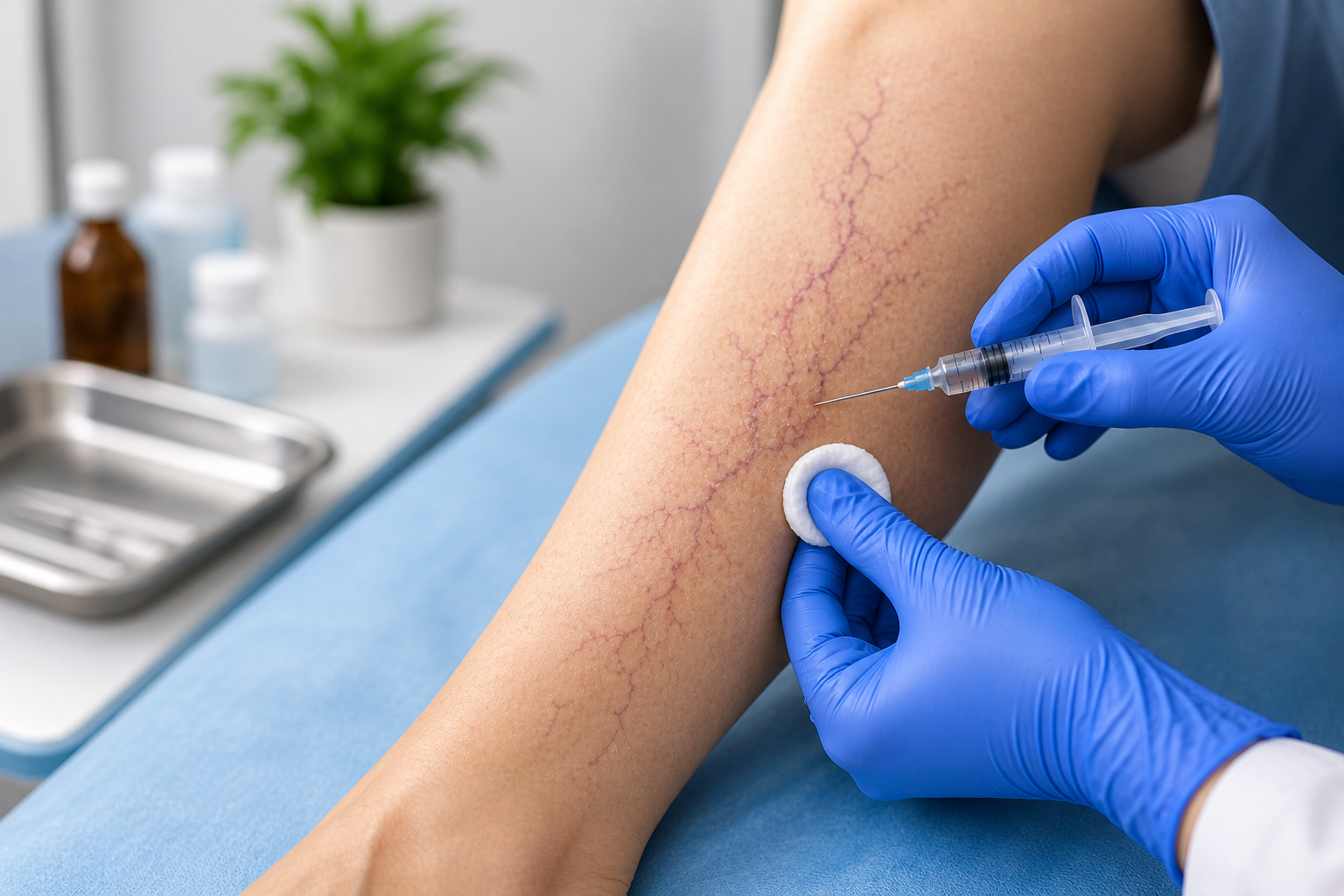
Sclerotherapy is a targeted procedure in which a medical solution is injected into selected superficial veins so they gradually close and fade. It is commonly recommended for spider veins and selected varicose vein patterns after proper Doppler-based vein mapping and clinical evaluation.

  • No major surgical cut in most suitable cases
  • Day-care procedure with early return to routine
  • Can improve heaviness, discomfort, and cosmetic appearance
  • Useful as part of stage-based vein treatment planning
Short Session Minimally Invasive Patient-Safe Protocols

Understanding Sclerotherapy: Symptoms, Causes, Risks, and Complications

A quick guide to know when treatment is needed and why timely vein care matters.

Understanding Sclerotherapy
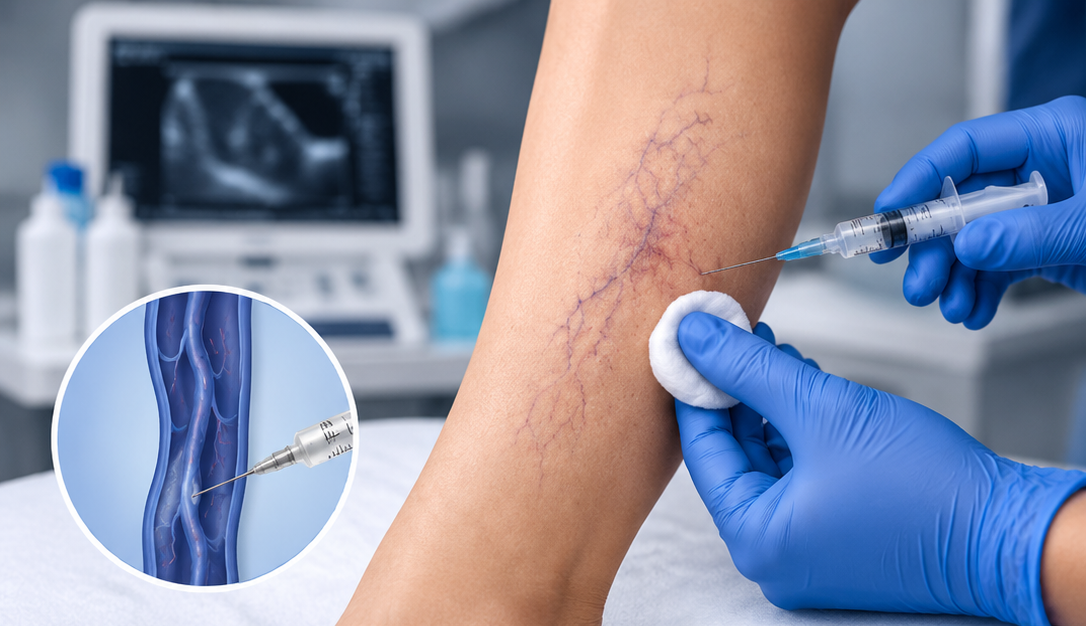
Understanding sclerotherapy treatment and vein closure process

What It Is

Sclerotherapy is a non-open, injection-based vein treatment used for selected spider veins and small-to-medium superficial varicose veins. The injected medicine irritates the vein wall, helping it collapse and eventually be absorbed by the body.

When It Is Considered

  • Visible spider veins causing cosmetic concern
  • Mild to moderate superficial varicose vein symptoms
  • Persistent leg discomfort after prolonged standing
  • Cases selected after Doppler and specialist evaluation
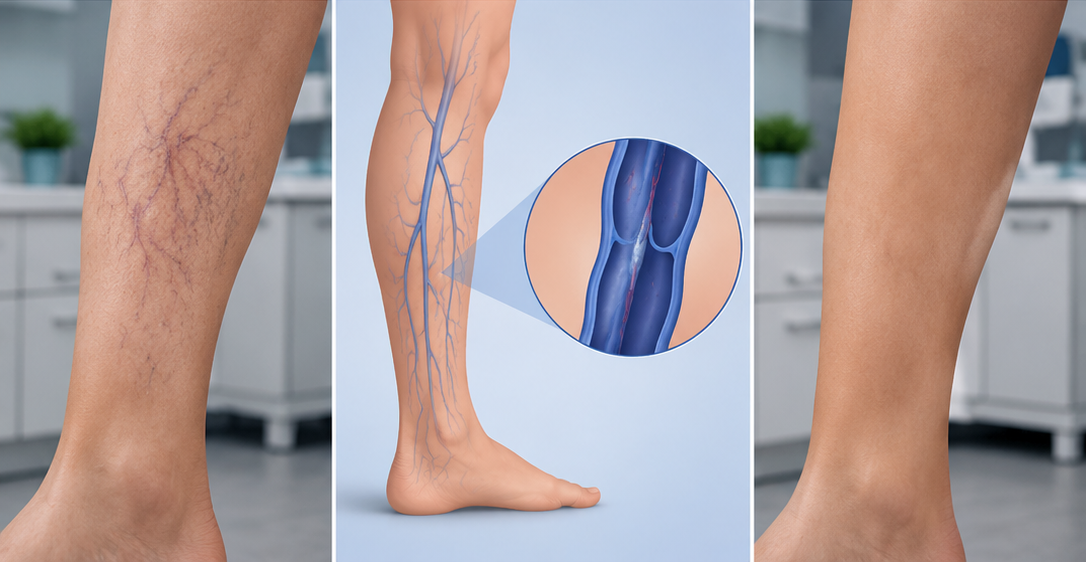
Symptoms and Causes

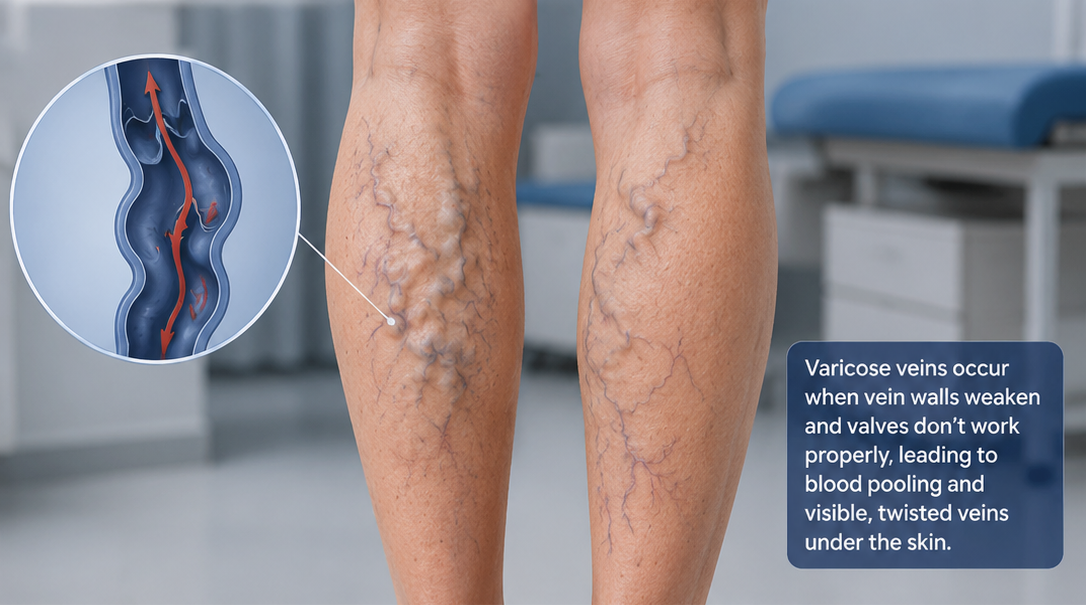
Symptoms and causes linked with superficial vein disease

Common Symptoms

  • Visible blue, purple, or red superficial veins
  • Leg heaviness, aching, burning, or cramps
  • Ankle swelling by evening in some patients
  • Itching or skin irritation around affected veins

Main Causes

  • Weak or faulty one-way vein valves
  • Increased venous pressure from prolonged standing
  • Reduced calf muscle pump activity
  • Genetic tendency to vein wall weakness

Risk Factors and Complications

Risk factors and possible complications of untreated varicose veins

Risk Factors

  • Family history of venous disease
  • Increasing age and hormonal changes
  • Obesity and sedentary lifestyle
  • Pregnancy and long hours of standing work

Possible Complications If Ignored

  • Progressive pain, swelling, and skin discoloration
  • Recurrent superficial vein inflammation
  • Bleeding from fragile surface veins
  • Ulcer risk in advanced chronic venous disease

Frequently Asked Questions

Is sclerotherapy painful?

Most patients feel only mild needle-prick discomfort during injection. Significant pain is uncommon in routine sessions.

How many sessions are needed?

It depends on how many veins are involved and their size. Many patients need multiple planned sessions for best cosmetic and clinical results.

Will I need compression after treatment?

Yes, in many cases compression stockings are advised after treatment. Duration is decided based on vein pattern and response.

How long does one sclerotherapy session take?

A typical session usually takes around 20 to 45 minutes, depending on the number of veins being treated.

Can I walk and go home the same day?

Yes. Sclerotherapy is usually a day-care procedure, and most patients can walk soon after and return home the same day.

When will I see visible improvement?

Small spider veins may improve within weeks, while larger veins can take longer. Final improvement is often gradual over multiple weeks.

Are there any side effects?

Mild temporary effects like redness, bruising, or slight swelling can occur. Your doctor will explain warning signs that need review.

Can treated veins come back again?

Treated veins usually close successfully, but new veins may develop over time. Follow-up and lifestyle care help reduce recurrence risk.